
Small Hydropower Development: Prospects and Challenges for Uzbekistan
1. Introduction
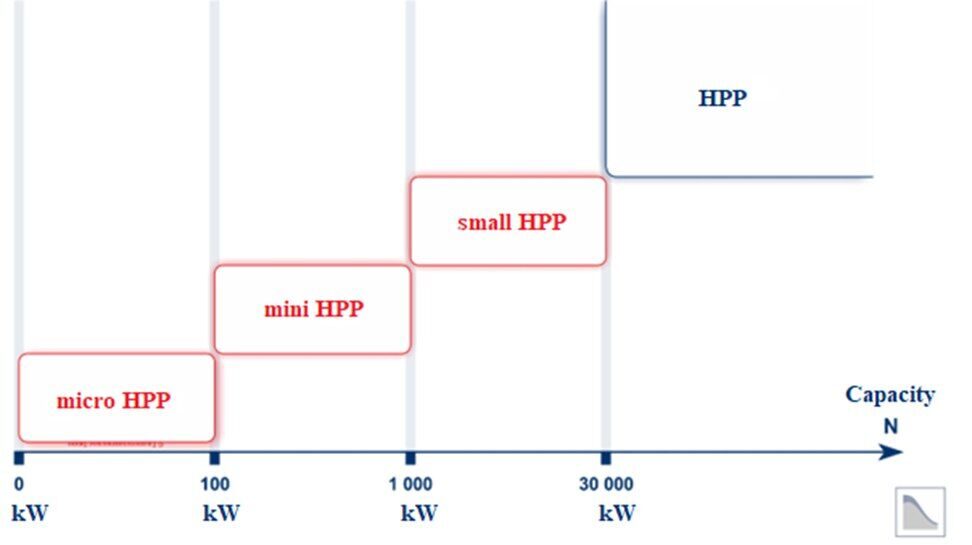
Small hydroelectric power plant or small HPP (SHPP) is a hydroelectric power plant that produces a relatively small amount of electricity. There is no concept of a small hydropower plant generally accepted for all countries, their installed capacity is taken as the main characteristic of such hydropower plants [1].
Figure 1: Classification of small hydropower by installed capacity
In other words, a small HPP is a type of classical HPP with one important difference - it has a relatively small capacity. In design, the capacity of a small HPP is the most important parameter that affects most of the other technical and economic indicators of this type of hydropower plant. In the final analysis, the small capacity is what makes a small hydropower plant “small”.
The classification of small hydropower plants (SHPPs) by capacity, which divides them into micro, mini and small, is not approved by a single international organization and may vary from country to country, region to region and industry standards. It is formed on the basis of usage practices and scientific and technical literature, and is regulated by energy organizations or individual country governments.
The International Renewable Energy Agency (IRENA) and the International Hydropower Association (IHA) classify hydropower plants by capacity, distinguishing small hydropower plants as those with a capacity of up to 10 MW. This category also includes mini-hydropower plants (100 kW to 1 MW) and micro-hydropower plants (less than 100 kW) for distributed generation [10]. These small plants are generally more environmentally acceptable and are used to provide electricity to rural and remote areas.
The capacity classification of small hydropower plants (SHPPs) in Uzbekistan is officially regulated by legislative acts and renewable energy sources (RES) programs. According to these documents, small hydropower is classified as follows:
- Micro HPPs – capacity up to 0.5 MW;
- Mini HPPs – from 0.5 MW to 5 MW;
- Small HPPs – from 5 MW to 30 MW.
These categories aim to harness the potential of small rivers and irrigation canals and support distributed power generation in rural and remote areas
1. Current situation in the hydropower sector of Uzbekistan
Considering the continuously growing demand for electricity, Uzbekistan's energy sector plays a key role in the development of the country's economy. The main sources of electricity in Uzbekistan are coal and gas-fired power plants. More than 80% of electricity generation is gas-fired, making the country highly dependent on fossil fuels, resulting in high carbon dioxide emissions and other environmental problems.
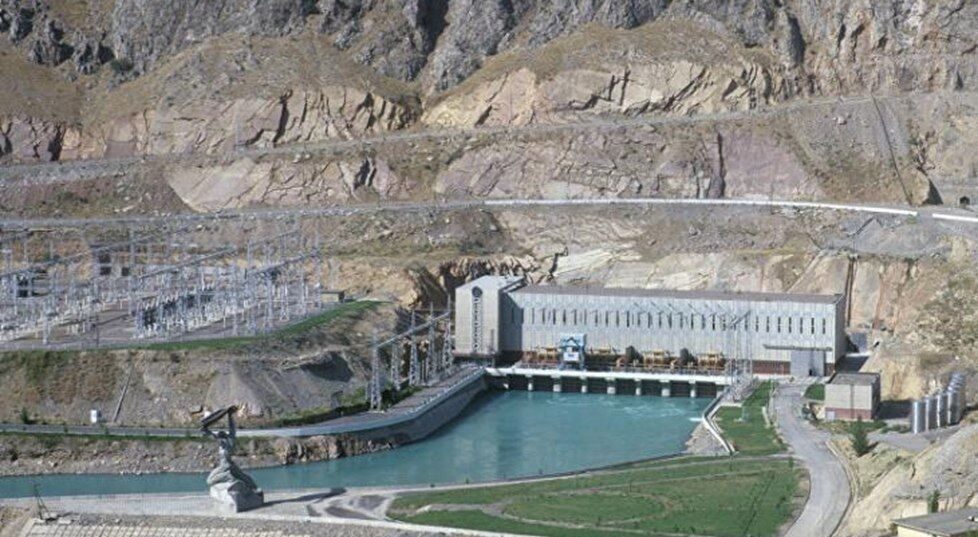
Figure 2: The largest hydropower plant in Uzbekistan - Charvak HPP (with installed capacity of 635.5 MW)
Hydropower occupies a significant but not yet fully realized part of Uzbekistan's energy balance. Today, hydropower accounts for about 12-13% of the total power generation capacity in Uzbekistan. This is an important indicator, given that the major share of electricity generation comes from gas-fired plants, which dominate the country's energy sector. Hydropower development is aimed at increasing this share through the construction of new plants and modernization of old ones.
The country has many rivers and reservoirs, but only a few large hydropower plants are currently installed on them. Most of the hydropower plants are organized into HPP cascades. The largest hydropower plants - Charvak HPP (635.5 MW), Tupalang HPP (175 MW), Khojikent HPP (165 MW) and Gazalkent HPP (120 MW) have reservoirs that allow the hydropower plants to operate in the power regulation mode, while other HPPs operate in the base mode.
Small hydropower is becoming an increasingly relevant topic in the context of sustainable development of Uzbekistan's energy sector. With the growing demand for energy and the need to shift to more environmentally friendly sources, small hydropower offers many opportunities for the country.
According to UNIDO and ICSHP[1] [2] in Uzbekistan, the potential of small hydropower is estimated at 1180 MW for plants up to 10 MW, other sources estimate 5931 GW⋅h/year and 8000 GW⋅h/year.
Uzbekhydroenergo JSC is a state-owned joint stock company that manages hydro resources and electricity generation based on hydropower technologies. It is responsible for the operation, modernization and construction of hydropower plants in Uzbekistan. Given the strategic importance of water resources for energy security and economic growth, Uzbekhydroenergo plays an important role in implementing the state policy for the development of renewable energy sources, which is particularly relevant in the context of climate change and water scarcity.
As of today, 60 hydroelectric power plants (HPPs) are in operation in Uzbekistan, according to the data of Uzbekhydroenergo JSC [3]. Of this number, more than 40 are small HPPs, which emphasizes the growing role of small hydropower in the country's energy sector.
Most of these plants are located on large rivers such as the Amu Darya, Syr Darya, and their tributaries. Uzbekistan continues to increase hydropower generation by modernizing existing facilities and building new hydropower plants as part of the state program to increase the share of renewable energy sources.
1. Regulatory and legal policies in the hydropower sector
The development of small hydropower in Uzbekistan is actively supported at the state level through various regulations and laws aimed at stimulating investment and creating a legal framework for the introduction of renewable energy projects (RES), including small hydropower. The key documents regulating this area are summarized below:
- Decree of the President of the Republic of Uzbekistan No. PP-3012 dated May 26, 2017 “On the program of measures for further development of renewable energy sources and increasing energy efficiency in the economy and social sphere for 2017-2021” [2]. This document is aimed at creating conditions for the implementation of RES projects, including small hydropower. It provides for the development of measures to attract foreign investment, simplify licensing procedures and subsidize projects.
- Law of the Republic of Uzbekistan No. ZRU-539 of May 21, 2019 “On Renewable Energy Sources” [3]. This law has become the basis for the legal policy in the field of RES and covers the development of small hydropower. The law establishes the principles of state support, financing mechanisms, and incentives for investors involved in small hydropower installation projects.
- Decree of the President of the Republic of Uzbekistan No. PP-2947 dated May 2, 2017 “On the program of measures for further development of hydropower for 2017 - 2021” [4]. The document envisages a plan for the construction and reconstruction of large and small HPPs, which will help to increase the share of renewable energy sources in the total energy balance of the country.
- Presidential Decree No. UP-4947 of February 7, 2017 “On the strategy of actions for further development of the Republic of Uzbekistan” [5]. This decree defines the main directions of the country's energy sector development until 2030, including active promotion of renewable energy, such as large and small hydropower.
· Decree of the President of the Republic of Uzbekistan No. PP-44 of December 10, 2021 “On additional measures for further development of hydropower” [6]. This document contains measures to accelerate the construction of new small and large hydropower plants, modernize existing HPPs and improve the efficiency of hydropower resources management. The Decree also provides for the financing of small hydropower development projects, including through the attraction of foreign investment.
- Decree of the President of the Republic of Uzbekistan No. PP-104 of March 30, 2023 “On measures for further reform of the hydropower sector” [7]. The document focuses on improving the regulatory framework and institutional structure of the hydropower sector. The Decree is aimed at improving the management of hydropower facilities, developing new small hydropower projects and attracting investors through public-private partnerships.
- Decree of the President of the Republic of Uzbekistan No. PP-252 of July 12, 2024 “On Acceleration of Measures on Reforming the Hydropower Sector” [8]. The document is aimed at accelerating reforms in the hydropower sector, with a special focus on the development of small hydropower. It identifies measures to improve interaction between state authorities and private investors, as well as to enhance international cooperation in the sector.
All of the above documents form the basis of legal and regulatory support that helps to attract investment in large and small hydropower and ensure sustainable growth in the energy sector of Uzbekistan.
2. Prospects of small hydropower development in Uzbekistan
The prospects for small hydropower development in Uzbekistan look promising, with a focus on sustainable and environmentally friendly power generation. The main areas of development include:
Increasing the share of renewable energy sources: Uzbekistan aims to increase the share of renewable energy sources in the total electricity generation balance to 25% by 2030, which emphasizes the importance of small hydropower in the energy security strategy. This requires the construction of new small hydropower plants and the modernization of existing facilities[5].
Hydropower Expansion: The strategy for 2022-2026 includes the construction of 15 new small hydropower plants with a total capacity of 868 MW, which will significantly increase the share of hydropower in the country's total energy mix. Below is a list of some of the projects that have already been launched:

Investment attraction: The successful implementation of the plans requires the involvement of both local and international investors. As an example, the construction of the Paitug hydroelectric power plant (3 MW capacity) financed by the French Development Agency, which has allocated €55.8 million for small hydropower projects in the country. This cooperation demonstrates how international investment can contribute to the development of the sector [6]
Modernization of existing HPPs: Uzbekistan has already modernized 12 existing hydropower plants, which is helping to improve their performance and increase the overall efficiency of the sector. Improvements to the technological base of existing plants are planned as part of the modernization program [7].
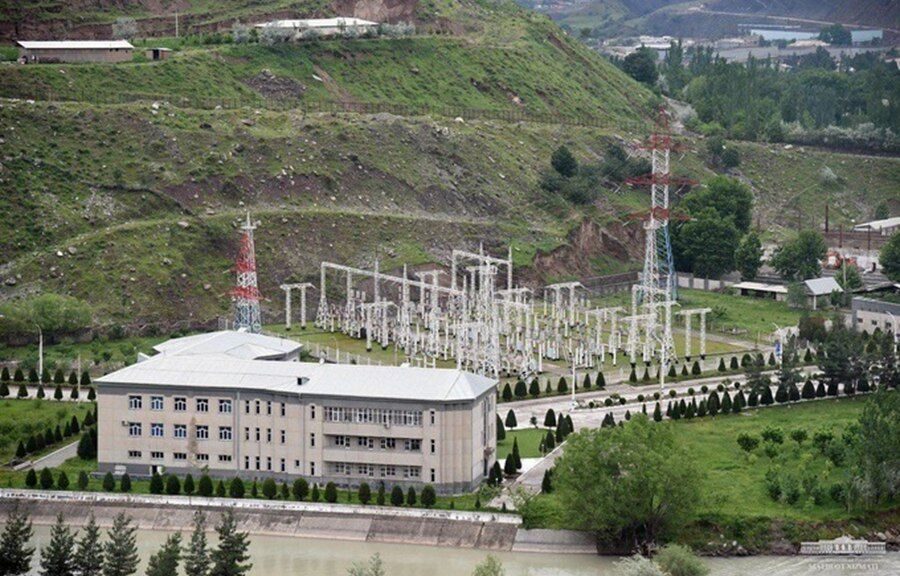
Figure 3: Tupalanga HPP (installed capacity reached 175 MW) after modernization
Legislative initiatives: The Government of the Republic of Uzbekistan is developing new draft laws providing tax incentives and subsidies for renewable energy projects. These measures create attractive conditions for investors, which may lead to increased interest in small hydropower.
Technological innovation: The introduction of modern and new technologies, such as digitalization of processes and automation of controls, will contribute to the efficiency of small hydropower plants. This will improve productivity and minimize the negative impact on the environment.
Social and economic benefits: Small hydropower plants are usually built in remote and rural regions of the country, which creates new jobs in these areas during the construction phase as well as during the operation phase of the plants. This stimulates the development of local communities and increases employment among the population, reducing the outflow of able-bodied population from the regions.
1. Challenges and problems of small hydropower in Uzbekistan
Small hydropower development in Uzbekistan faces a number of specific challenges related to natural, economic and infrastructural factors. These challenges require careful planning and coordination both at the state level and by the private sector. Let us review the main challenges facing the sector.
Water scarcity and climate change
One of the key challenges for small hydropower in Uzbekistan is the shortage of water resources, which may worsen in the near future. Uzbekistan is located in the arid region of Central Asia, where much of the water resources are generated outside the country, in neighboring states such as Kyrgyzstan and Tajikistan. Rivers such as the Amu Darya and Syr Darya are already under considerable pressure due to the increasing use of water for agriculture and growing energy needs.
The UN in its reports and expert assessments notes that if water conservation measures are not taken now, by 2050 more than 5 billion people will have problems with access to water [8]. The World Bank analysts predict that by 2050, against the background of population growth in Central Asia up to 90 million people, water deficit is expected to reach 25-30%. At the same time, the demand for water resources used for farming may increase by 30% already by 2030. This will also have a negative impact on economic indicators and the level of income of citizens. Already now, according to the UN, CA countries lose up to $2 billion annually due to water scarcity and inefficient use of water resources [4].
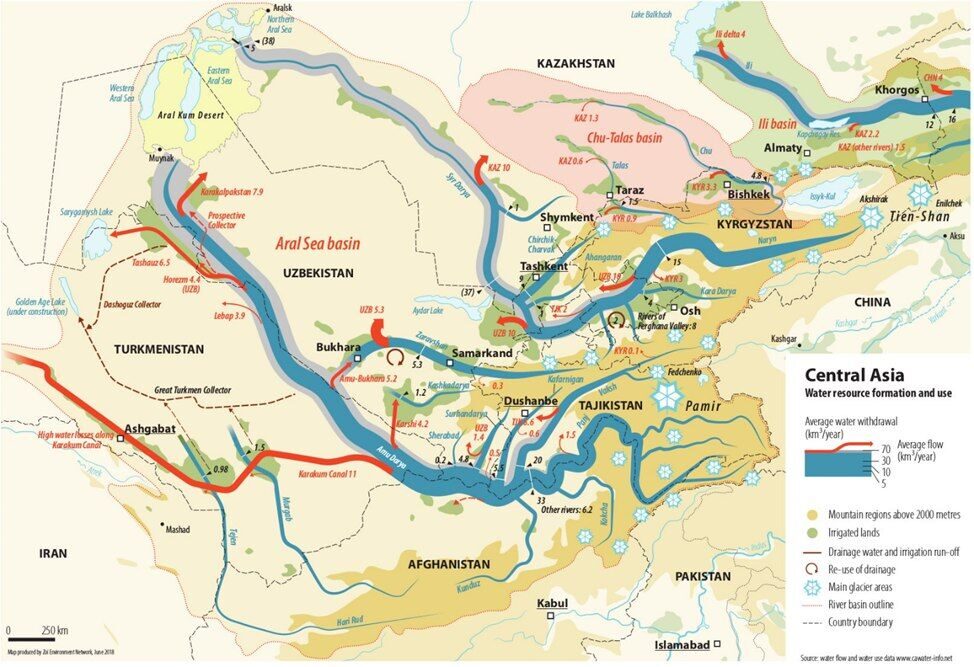
Figure 4: Map of water resources formation and use in Central Asia
Climate change is also affecting the hydrological regime of rivers, leading to changes in seasonal water flows. This may mean less water in spring and summer, when more electricity is usually needed for irrigation and other needs. Reduced water resources in the future may become a serious challenge for small hydropower plants, which are highly dependent on a constant and stable water flow.
In this connection, special attention is required to the issues of interstate water resources management, coordination of river use between the countries of the region and adaptation of hydropower systems to changing climatic conditions.
High capital costs for construction and operation
Small hydropower requires significant capital investment during the construction phase. Although the operating costs of small hydropower plants are lower compared to other types of generation such as gas-fired plants, the initial infrastructure costs can be very high. This is due to the need to build dams, canals and reservoirs, and to purchase specialized equipment adapted to the hydrological conditions of a particular region.
For small HPPs that are built in remote and mountainous areas, additional costs are associated with the inaccessibility of the terrain and the lack of necessary transportation infrastructure. These factors increase the cost of logistics and delivery of materials, which complicates the economic viability of such projects.
The capital cost of constructing small hydropower plants (HPPs) in Uzbekistan depends on many factors, such as the capacity of the plant, its location, and the level of infrastructure required. On average, the construction of small HPPs with a capacity of up to 5 MW requires investments of about $1-2 million per 1 MW of installed capacity.
Seasonal fluctuations in water flow
Hydropower plants, especially small ones, depend on a constant level of water resources, and in Uzbekistan, seasonal fluctuations in river flows can vary considerably depending on the time of year. In summer, when more energy is needed for irrigation and domestic needs, water supply is often limited. This results in lower electricity generation during the periods when it is most needed.
In cold seasons, on the contrary, electricity demand increases, especially for heating, but water resources may freeze or be depleted, especially in mountainous areas, which also reduces the efficiency of small hydropower plants. Thus, seasonal fluctuations in water resources require the development of integrated solutions for water management and increasing reserve capacities.
Infrastructure issues and grid access
Small hydropower is often implemented in remote and mountainous areas where there is good access to water resources but no developed power and transportation infrastructure. Connecting small hydropower plants to the national electricity grid can be an expensive and complex process. This is due to the need to construct transmission lines, transformer substations and other infrastructure elements.
In addition, in some regions, the existing infrastructure is already outdated and in need of modernization, which creates additional barriers to the introduction of new hydropower capacities.
Environmental and social issues
The construction of even small hydropower plants can have an impact on local ecosystems and populations. Although they are considered a cleaner source of energy than fossil fuels, dams and reservoirs can alter river ecosystems, affect biodiversity and fish stocks, and displace people from flooded areas.
In Uzbekistan, the government is seeking to minimize the environmental impacts of small hydropower plants through the introduction of modern technologies and environmental impact assessments, but the conservation of ecosystems and water resources remains a pressing issue.
Financing and attracting investors
Despite government support, attracting private investment in small hydropower may be limited. This is due to the long payback period of such projects, the high level of initial investments and competition from other renewable energy sectors. For successful implementation of small hydropower projects, it is necessary to develop public-private partnerships and create conditions for long-term financing.
1. Conclusion
Today, both large and small hydropower in Uzbekistan is under active development aimed at modernizing existing capacities and increasing the share of renewable energy in the country's energy balance. Implementation of plans to build new HPPs and active attraction of investors will help the country move towards energy independence and sustainable development in the face of global environmental challenges.
However, small hydropower development in Uzbekistan faces many challenges, including water scarcity now and worsening in the near future due to climate change, high capital costs and infrastructure constraints. These challenges, nevertheless, can be addressed through improved water management, international and regional cooperation and the introduction of innovative technologies.
List of sources used
2. https://ucentralasia.org/media/ucflputa/uca-ippa-wp71vozobnovlyaemie-istochnikirus.pdf
5. https://minenergy.uz/ru/news/view/1843
6. https://minenergy.uz/ru/news/view/817
7. https://kun.uz/ru/news/2023/03/17/rassmotren-xod-realizatsii-proyektov-v-gidroenergetike
8. https://news.un.org/ru/story/2018/03/1326222
[1] UNIDO – The United Nations Industrial Development Organization;
ICSHP – The International Centre on Small Hydro Power
[2] Decree of the President of the Republic of Uzbekistan, dated 02.05.2017 No. PP-2947: https://lex.uz/docs/3221897
[3] Law of the Republic of Uzbekistan No. ZRU-539 of May 21, 2019: https://lex.uz/docs/4346835
[4] Decree of the President of the Republic of Uzbekistan, dated 02.05.2017 No. PP-2947: https://lex.uz/docs/3219734
[5] Presidential Decree No. UP-4947 of 07.02.2017: https://lex.uz/docs/3107042
[6] Presidential Decree No. PP-44 of 10.12.2021: https://lex.uz/ru/docs/5769775
[7] Presidential Decree, dated 30.03.2023, No. PP-104: https://lex.uz/ru/docs/6420318
[8] Presidential Decree No. PP-252 of 12.07.2024: https://lex.uz/ru/docs/7024222

